Position
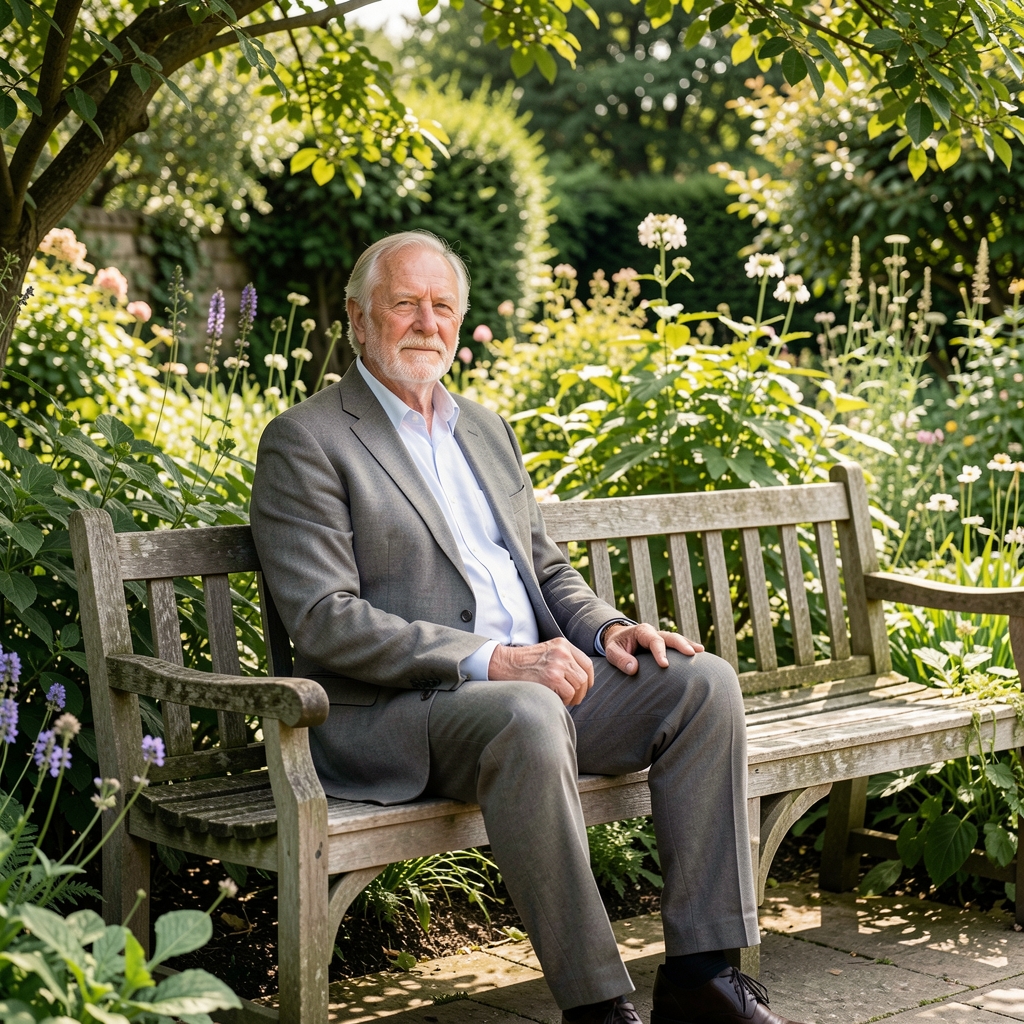
Choose a supported seat and let the shoulders settle without forcing a shape. Keep the feet in contact with the floor or use another stable arrangement.
Breath awareness can be a simple way to notice pace, posture, and the transition between activities. It is an observation practice, not a contest and not a promise about what every person will feel.

A quiet pause begins with a supportive setting. Sit or stand in a way that feels stable, allow the face and shoulders to remain ordinary, and notice the next few breaths without trying to manufacture a particular result.
Choose a supported seat and let the shoulders settle without forcing a shape. Keep the feet in contact with the floor or use another stable arrangement.
Notice the natural rhythm rather than trying to achieve a special sensation. Sound, temperature, and movement in the room may also be part of the observation.
When the mind wanders, come back gently to the next ordinary breath. The return is part of the practice, not evidence that the pause failed.
A quiet pause may be welcome, but it is not appropriate to push through distress. Stop and seek individual guidance when breathing feels unusually difficult or concerning. A general page cannot account for every personal circumstance.
| Moment | Possible observation | Supportive choice |
|---|---|---|
| Before a task | Is the pace rushed or settled? | Take one ordinary pause before beginning. |
| After a transition | Has posture changed with the new setting? | Adjust the chair, feet, or lighting. |
| During attention drift | What sound or thought captured attention? | Acknowledge it and return without criticism. |
| When discomfort appears | Is the experience unfamiliar or concerning? | Stop and seek individual guidance when needed. |
The practice is not to control every breath; it is to notice the moment with care.
No. Stability and comfort are more important than a formal shape. A chair, standing position, or brief pause during a walk may suit different people.
That is ordinary. The useful action is a gentle return, not a judgment about concentration.
Stop when the practice feels distressing, unusually difficult, or concerning, and seek individual guidance when appropriate.
Breath awareness can sit between activities: before opening a door, after a conversation, or while waiting for water to boil. The pause does not need a special atmosphere. Its value may simply be that it gives a person a moment to notice the transition.
Different people notice different details. One reader may recognise a change in pace, another may notice posture or sound, and another may prefer to keep the eyes open and focus on the room. There is no need to compare these observations or turn them into a score.