Space
Clear loose rugs, sharp corners, bags, and anything that could distract from the task. Keep a phone nearby only when it is useful for timing or contact.
Movement quality is shaped by attention, surfaces, temperature, confidence, and the tasks a person actually wants to do. These notes offer a measured way to observe movement without turning it into a competition.
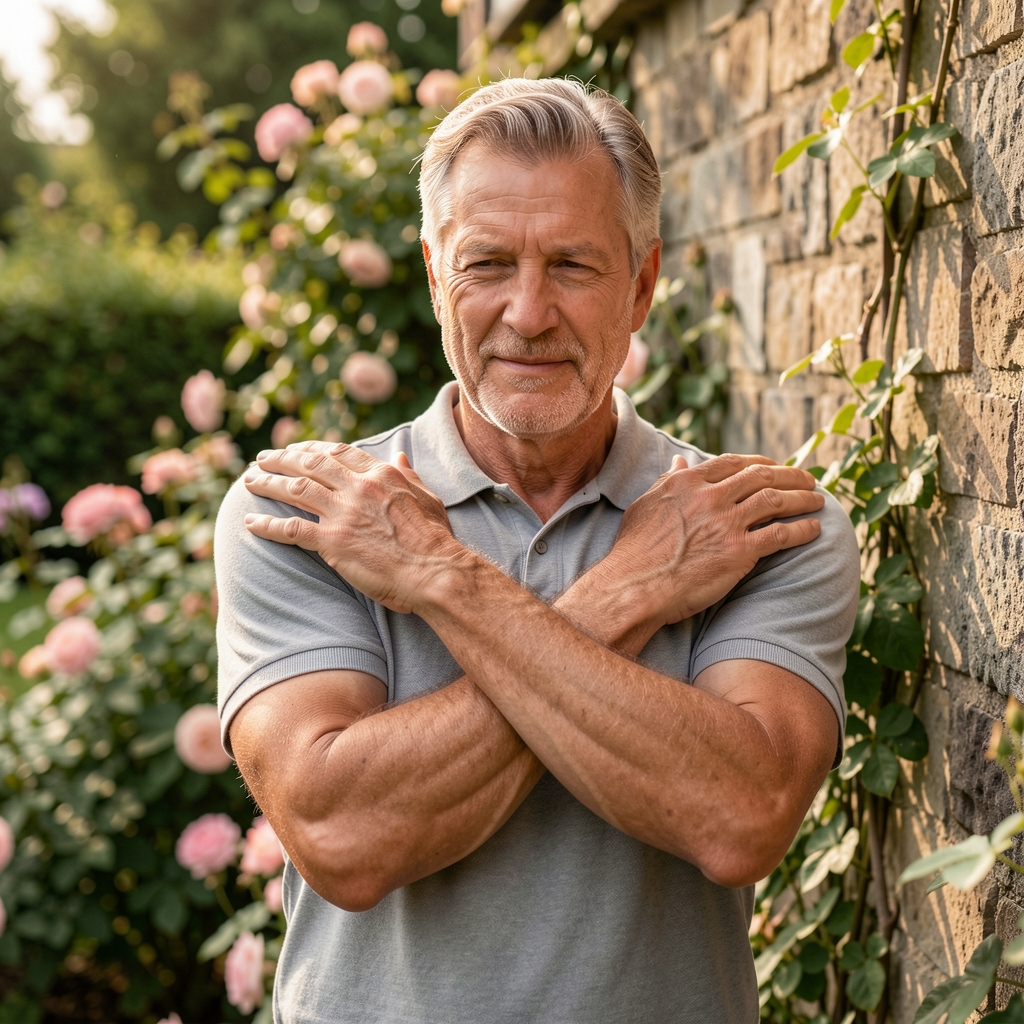
A short pause can make a familiar action easier to notice. Clear the area, choose a stable support, and consider what the movement is for. The aim is not to force a larger shape but to understand what feels steady, useful, and repeatable in the chosen setting.
Clear loose rugs, sharp corners, bags, and anything that could distract from the task. Keep a phone nearby only when it is useful for timing or contact.
Move slowly enough to notice direction, breathing, effort, and the response of the surrounding joints. A slower pace also gives time to stop before a small concern becomes a larger one.
Pause when something feels concerning, unfamiliar, or out of proportion to the activity. Record what happened and seek individual guidance if the concern continues.
Progress is not always larger movement. It may be greater ease, better awareness, or more confidence in an everyday task. Someone may care more about turning comfortably to speak with a neighbour than about reaching a particular measurement.
| Situation | What to notice | Possible environmental adjustment |
|---|---|---|
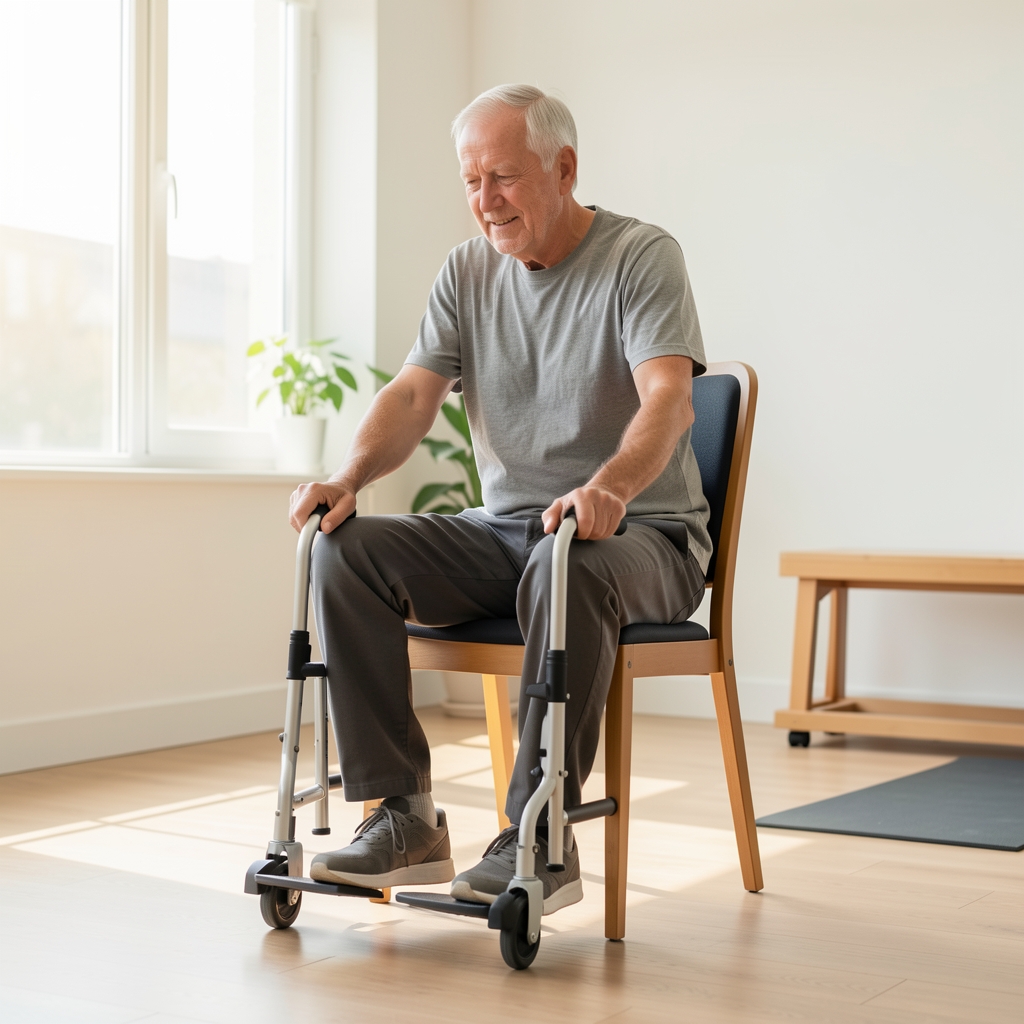
| Getting up from a chair | Foot position, seat height, nearby support, and pace. | Place the chair on a firm surface and keep the path clear. |
| Reaching overhead | Shoulder comfort, trunk position, and the weight of the object. | Move frequently used items to a practical height. |
| Turning while walking | Lighting, footwear, speed, and the surface underfoot. | Use brighter light and reduce clutter around the turn. |
| Floor-level tasks | Whether returning to standing feels organised and supported. | Use a raised work surface when that better fits the person. |
Comfortable movement is often built from attention to details that are easy to overlook.
No. A useful range depends on the task, the setting, and the person's priorities. Control and confidence can matter as much as distance.
Stop, return to a supported position, and note the circumstances. If the concern persists, seek individual guidance rather than relying on a general page.
Use them as a reference when a routine or environment changes. Re-reading can help reveal a practical adjustment that was not obvious the first time.
The same action can feel different on a tiled floor, a soft mat, a crowded room, or a shaded outdoor path. Footwear, temperature, fatigue, noise, and the height of a surface all influence how a task is organised. Observing these details can lead to a practical environmental change without turning the person into a problem to be fixed.
It is also useful to distinguish effort from concern. Effort can be part of an ordinary task, while a new or troubling response deserves a pause and, where appropriate, individual guidance. Kilter Hub keeps this distinction visible because a general movement article cannot assess a particular person.